Staring into the fridge at dinnertime wears you out. Here is how to meal plan for the week: check what you already have, pick meals that fit your schedule, then shop from one list.
This guide is part of our home living tips, where you can find more ways to run a calmer household.
| Item | Value |
|---|---|
| Core planning steps | Three: take inventory, choose meals, create a grocery list |
| Easiest first plan | A dinner menu for the week |
| Food groups per meal (Illinois Extension guidance) | At least three MyPlate food groups |
| Menu span | One or two weeks’ worth of menus |
| Printable template length | 7-day meal plan of breakfast, lunch, and dinner |
These figures come from Utah State University Extension and University of Illinois Extension. Guidance can change, so check the sources before you rely on them.
Start with an inventory of what you already have
Utah State University Extension breaks weekly planning into three steps: take inventory, choose your meals, and create a grocery list. Doing them in that order keeps you from buying duplicates and lets you plan around food that needs using up.
- Look through your freezer, cabinets, pantry, and fridge, and note what is there.
- Jot down meals those ingredients could become.
- Build the week’s menu around those items before you write any shopping list.
A quick check also helps your budget, since an inventory before listing groceries helps you avoid buying things you don’t need, according to USU Extension.
How do you choose meals for the week?
Begin with the calendar, not the recipe book. Illinois Extension suggests asking whether meetings, practices, or special events are coming up, and which nights need something quick to grab and go.
Next, write down foods and simple recipes everyone likes. Look for overlapping ingredients: chili and stuffed peppers are different dishes, yet both use ground beef and canned tomatoes, as Illinois Extension points out.
Then turn that list into menus for one or two weeks. It is fine to repeat a dish, but a little variety helps everyone get the nutrients they need.
When you weigh your options, consider these factors:
- Your family’s schedule for the coming days.
- Meals your household already enjoys.
- What is on sale that week, which you can check in the store’s flyer or app.
- Leftovers you can use later in the week or freeze for another meal.
On balance, the two sources differ slightly. Illinois Extension says to try for at least three MyPlate food groups per meal, while USU Extension reminds you that the guidelines cover the whole day rather than each meal.
Turn the menu into a grocery list
Once the menu is set, list only the ingredients you don’t already own. Add basics such as fruit, vegetables, and milk, even if no recipe calls for them.
Sorting the list by store section or food group makes the trip faster, according to USU Extension. Illinois Extension adds that you should note a few substitutions in case an item is missing or not on sale.
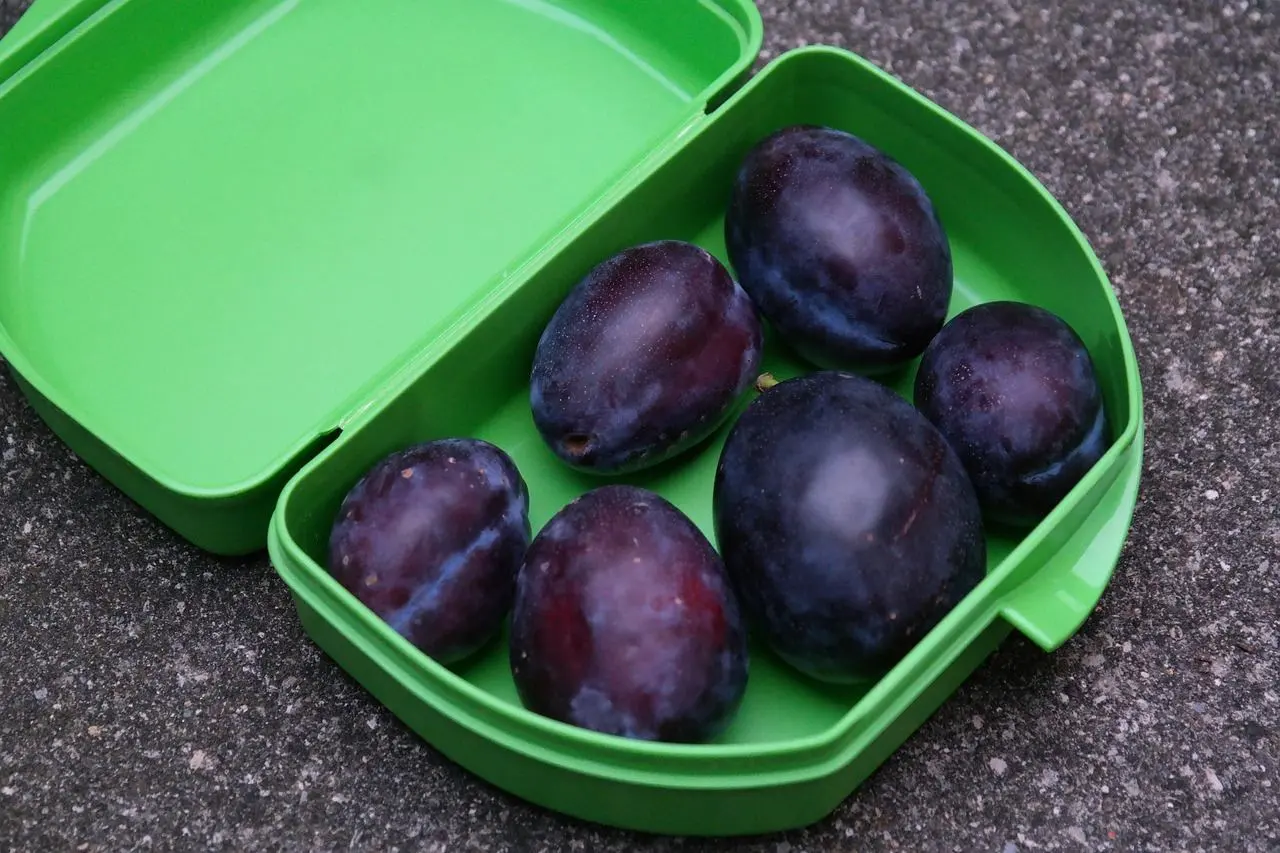
Mix fresh, frozen, and canned items, and plan to eat the fresh ones first before they go bad, as Illinois Extension advises. Your list can live on paper, a fridge whiteboard, or a notes app.
Habits that make the routine stick
If you have never planned before, start with dinners only. Once that feels easy, USU Extension says you can move on to whole days or even a monthly menu.
A few habits keep the work light:
- Keep a running list of recipes you enjoy or want to try.
- Pick quick meals for busy days and save longer recipes for days off.
- Cook larger recipes with enough servings for multiple meals.
- Share the planning and cooking with family, since kids are more likely to try new foods when they help shop and cook.
Cooking goes smoother when you read the whole recipe first and begin with the food that takes longest. A tidy kitchen helps too, and these small space storage ideas can make a cramped pantry easier to scan.
Pick a regular slot for planning and pair it with other recurring chores, such as those on your home maintenance checklist, so neither slips.
Templates and free apps worth trying
If you like paper, USU Extension lists printable options. Its Grocery Shopping Packet and Meal Plan Handout each include a 7-day meal plan of breakfast, lunch, and dinner plus a sectioned grocery list, and the MyPlate version lets you add a snack.
The same page names three free apps for Android and iPhone:
- Cooklist tracks your pantry inventory and suggests recipes based on what you have.
- Mealime builds a grocery list automatically from your chosen meals.
- Whisk lets you save recipes from anywhere online or add your own.
Choose whichever suits you, because the method matters more than the tool.
Frequently asked questions
Do I have to plan every meal?
Show answer
No. Many people begin by mapping out just the evening meal and leaving breakfast and lunch flexible, then add more once the habit is comfortable.
What should I do when my week changes?
Show answer
Swap one planned meal for another. Because the ingredients are already in your kitchen, a different homemade dinner is easy to switch to, as Illinois Extension notes.
How can leftovers fit into a plan?
Show answer
Schedule them on purpose. Cook a bigger batch early in the week, then eat it again later or freeze it for another night.
Is a paper template or an app better?
Show answer
Neither wins outright. Apps keep everything on your phone, while a printed sheet suits anyone who likes to write things down; try one for a week and see which you keep using.