Worried about your next utility bill? Learning how to save energy at home starts with a few cheap habits: switch to LEDs, tame your thermostat, cut hot water use and seal drafts. Most cost little or nothing.
This guide sits within the home living tips collection, and the advice works for renters as well as owners.
| Item | Value |
|---|---|
| Five most-used light fixtures switched to ENERGY STAR certified lights | about $40 a year saved |
| ENERGY STAR certified smart thermostat, average saving | about $50 a year |
| Heating and cooling cost for the average American household | more than $900 a year |
| New low-flow showerhead, electricity saving | up to $145 each year |
| Suggested water heater setting | 120°F |
| Extra 15 minutes of dryer time per load | up to $34 every year |
These figures come from ENERGY STAR’s low- and no-cost tips and the U.S. Department of Energy’s home energy checklist. Savings are averages and can change, so check the sources before you rely on them.
Start with lighting and standby power
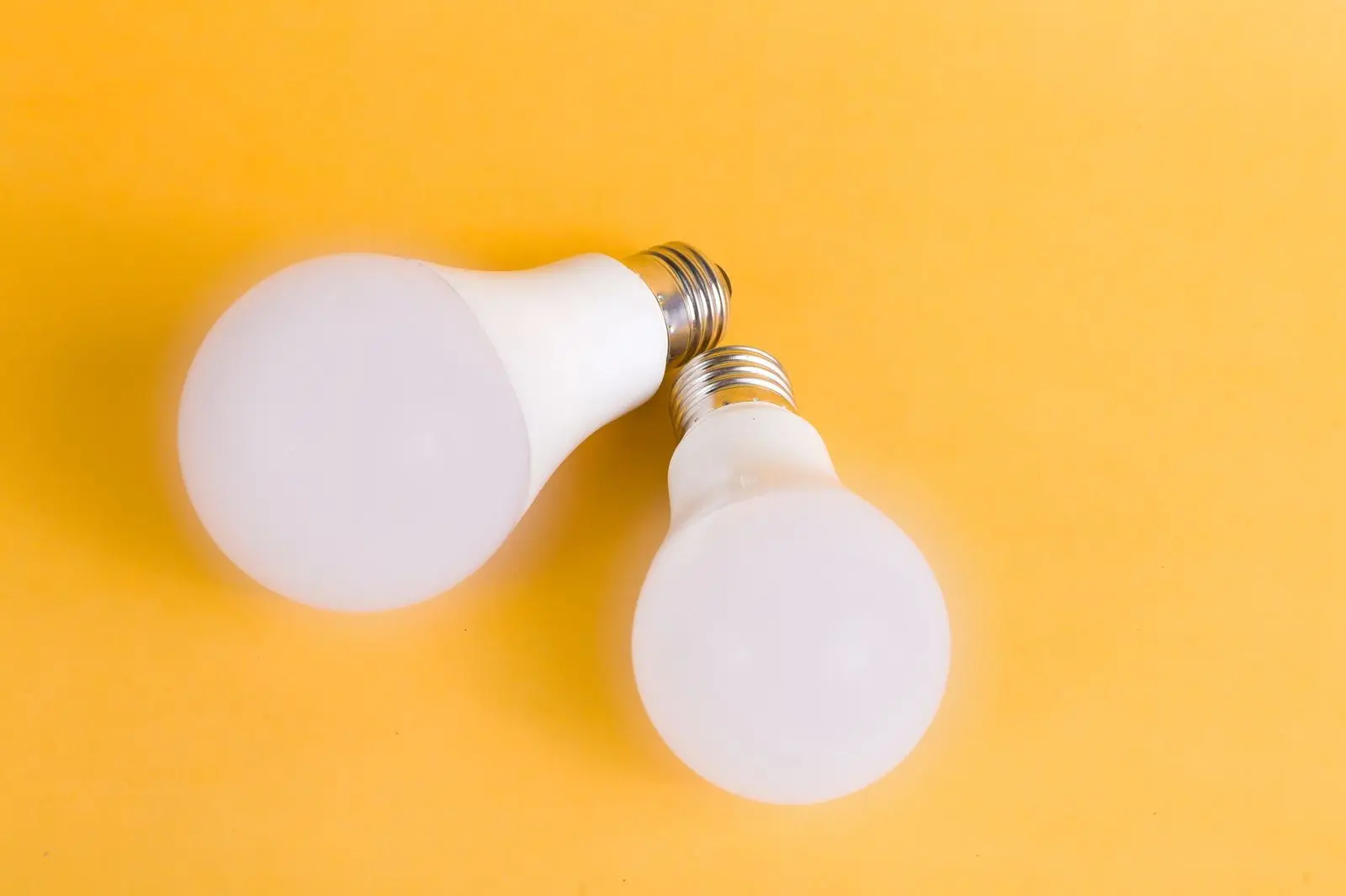
Lighting is one of the easiest places to begin. Replacing your five most frequently used fixtures, or the bulbs in them, with ENERGY STAR certified lights can save about $40 a year in energy costs, according to ENERGY STAR.
Certified LED bulbs use up to 90% less energy and last 15 times longer than standard bulbs, per the same ENERGY STAR page. The Department of Energy says the best targets are bulbs used several hours a day, so start in the kitchen, living room and hallway.
Electronics add up as well. ENERGY STAR cites the Consumer Technology Association, which found that home devices accounted for about 10% of residential sector electricity consumption in 2017, as described on its tips page. These habits keep that draw down:
- Plug your computer and its peripherals into a power strip and switch it off when you finish, which ENERGY STAR notes eliminates standby power consumption.
- Unplug chargers, fans, coffeemakers, desktop printers and radios that drain energy when idle, as the DOE checklist advises.
- Turn off your monitor if you will be away for more than 20 minutes, and the computer too if you will be away for more than 2 hours, per the DOE.
Heating and cooling: where most of the bill goes
Heating and cooling take the biggest share of household energy spending. For the average American household, almost half the annual energy bill goes to them, more than $900 a year, according to ENERGY STAR.
An ENERGY STAR certified smart thermostat can cut your heating and cooling bill by more than 8% and save about $50 a year on average. If your home sits empty much of the day, the same page puts the saving at approximately $100 a year (ENERGY STAR). A basic programmable model that lowers the setting at night is another route, as the DOE suggests.
Your windows can do some of the work for free. Close shades and drapes in warm weather to keep out the summer sun, and keep them open during daylight in cold weather, as ENERGY STAR advises. The DOE adds that in winter you should open south-facing curtains by day and close them at night to cut the chill from cold glass.
Thinking about a room air conditioner? ENERGY STAR certified models use 9 percent less energy than standard models and, on average, cost less than $70 per year to run (ENERGY STAR). In winter, a tight-fitting cover on the outside of the unit, or removing the unit altogether, stops heated air escaping.
Keep air registers clear of furniture so air can circulate freely. If your home has radiators, ENERGY STAR suggests placing heat-resistant reflectors between radiators and walls so the room warms instead of the wall.
Cut hot water use in the shower, dishwasher and laundry
Start at the tank. The DOE checklist recommends the warm setting of 120°F on your water heater, which saves energy and avoids scalded hands. It also says to check for an insulating blanket, which reduces heat loss and can pay for itself quickly.
A low-flow showerhead rated at 2.5 gallon-per-minute means a 10-minute shower uses about 25 gallons of water, five gallons less than a typical bath. It can also save up to $145 each year on electricity compared with an old-fashioned showerhead, per ENERGY STAR.
Your appliances matter too. Small changes in how you run them add up:
- Dishwasher: scrape plates instead of rinsing them, run only full loads and use the air-dry option if you have one, as ENERGY STAR recommends.
- Washing machine: choose cold water whenever possible, because hot water heating accounts for about 90 percent of the energy a machine uses. Full loads can also save more than 3,400 gallons of water each year (ENERGY STAR).
- Dryer: clean the lint trap before every load and use the moisture sensor if your dryer has one. Running an extra 15 minutes per load can cost up to $34 every year, the same source says.
Seal leaks and look after your equipment
Start with the air leaks you can feel or hear, the ones that whistle on windy days or feel drafty. The DOE says small cracks and holes can add up to as much air loss as an open window or door.
The worst culprits are usually not windows and doors, according to the DOE. Look instead at utility cut-throughs for pipes, gaps around chimneys, recessed lights in insulated ceilings and unfinished spaces behind cupboards and closets.
Leaky ducts waste heat too. Keeping ducts in good repair can prevent heat loss of up to 60% at the registers, says the DOE checklist, and ducts in attics and crawlspaces are worth insulating.
Equipment runs better when it is looked after. The DOE advises a professional service for your furnace or heat pump each year and regular cleaning or replacement of filters, which fits neatly into a seasonal home maintenance checklist. For expert advice on the whole house, the DOE suggests an energy audit through your utility company or state energy office.
Which jobs should you do first?
Order matters, because the biggest bill deserves the first attention. This sequence moves from free changes to small purchases:
- Collect your utility bills, separate electricity from fuel, and target the largest bill, as the DOE suggests.
- Swap the bulbs you use most for LEDs and put electronics on a power strip.
- Set the water heater and thermostat sensibly, and move to cold-water laundry.
- Seal the draftiest gaps and clean or replace filters.
- Plan bigger upgrades, such as insulation and efficient appliances, once the basics are in place.
If you rent and cannot change something yourself, ENERGY STAR encourages sharing the tips with your landlord. Fitting these jobs in alongside the routines in how to keep a house clean with a busy schedule keeps the whole list manageable.
Frequently asked questions
Does turning off electronics really make a difference?
Show answer
Yes, because gadgets that are switched off can still draw a little power. A power strip gives you one switch that cuts the supply completely, according to ENERGY STAR.
Is washing clothes in cold water worth it?
Show answer
For most households, yes. Heating the water is where nearly all of a washing machine’s energy goes, and many people can use cold water alone with a cold-water detergent, depending on the fabrics and how hard the local water is (ENERGY STAR).
What can renters do without changing the property?
Show answer
Most tips need no permission: bulbs, power strips, drapes, shower habits and appliance settings. ENERGY STAR also points to a tight winter cover for a window air conditioner, sold at hardware stores, per its renter-friendly tips.
How often should I review my home’s energy use?
Show answer
The DOE’s checklists split jobs into daily, weekly, monthly and annual tasks. The yearly list covers insulation, replacing aging appliances and upgrading leaky windows, and it singles out the refrigerator’s age and condition.