Starting with houseplants and worried you’ll kill them? The best indoor plants for beginners are pothos, snake plant and ZZ plant: forgiving, happy in low light and fine with missed waterings.
This guide is part of our personal growth tips, because looking after a plant is a gentle way to practise patience and routine.
| Item | Value |
|---|---|
| Snake plant, time without water | Up to three weeks |
| ZZ plant, time without water | 2 to 4 weeks |
| Pothos, indoor vine length | Up to 20 feet |
| Comfortable temperature for most houseplants | 60°F-75°F |
These figures come from mindbodygreen’s beginner houseplant guide and This Old House’s beginner guide to growing houseplants. Care advice can change, so check the source before you rely on them.
What makes a houseplant good for beginners?
A beginner plant is one that forgives mistakes. Iowa State University Extension chose its easy list by asking whether a plant tolerates low light and inconsistent watering while staying healthy with minimal care.
Fit matters as much as toughness. Plant-shop founders interviewed by mindbodygreen say the right plant should suit your space and lifestyle, not the other way around.
Before you buy, ask yourself three things:
- How much light does the spot actually get?
- How often will you realistically remember to water?
- Do you share your home with a cat or dog?
That last question deserves a real answer. This Old House lists pothos as toxic to cats and dogs if ingested, so check pet safety before you bring any plant home.
Easy houseplants to start with
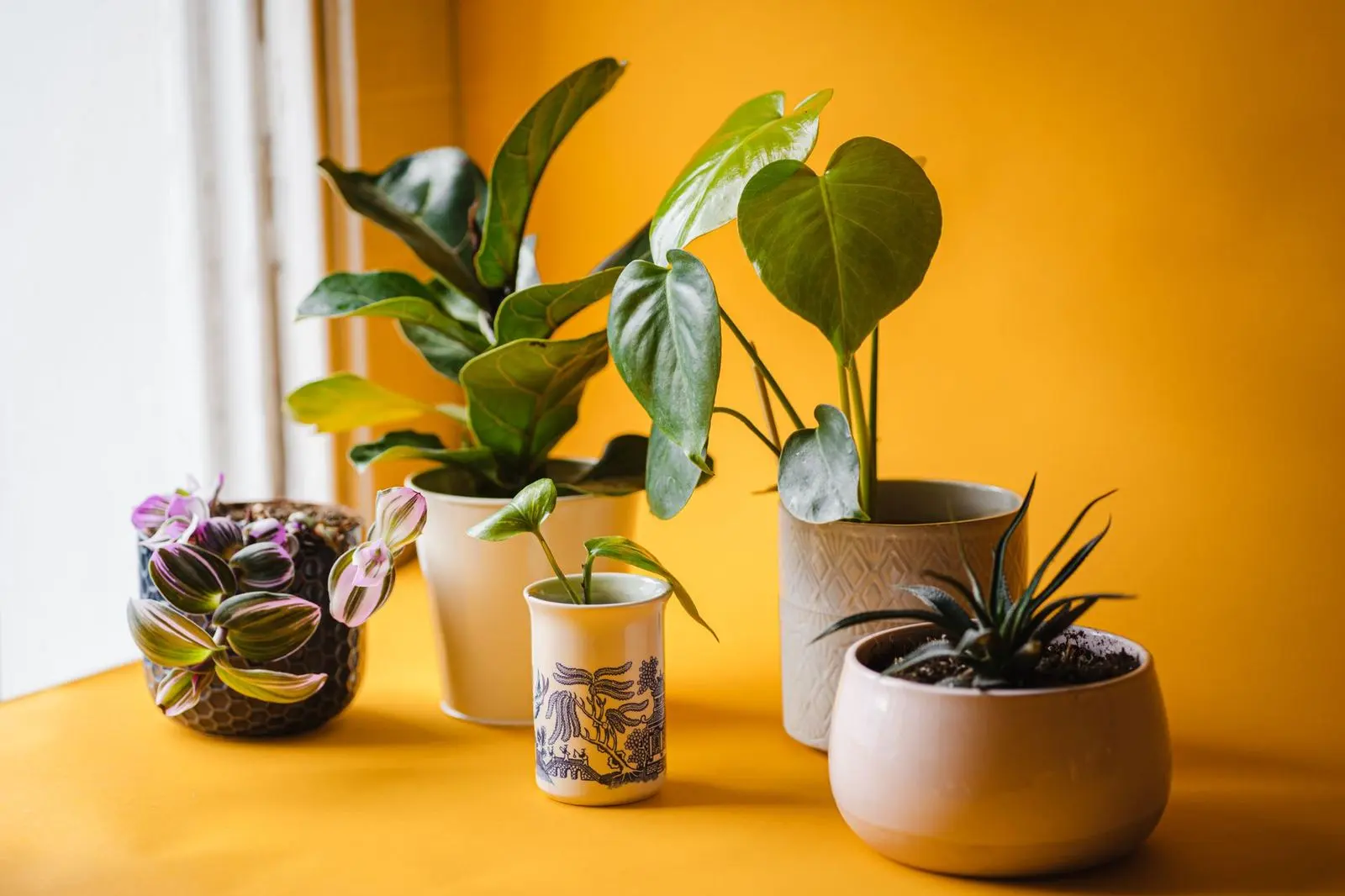
These plants show up again and again in extension and editorial lists because they shrug off the usual beginner slips. Pick the one that suits your light and your habits.
- Pothos: Iowa State calls it one of the easiest and most forgiving houseplants you can grow, and mindbodygreen notes it can reach up to 20 feet long indoors.
- Snake plant: Native to dry, rocky habitats, it copes with up to three weeks between drinks. Iowa State’s guide says overwatering is the only way to kill it.
- ZZ plant: Drought-resistant, it can go 2 to 4 weeks without water, which suits frequent travellers.
- Spider plant: Attractive in hanging baskets and adaptable, though it prefers indirect light.
- Peperomia: It tolerates neglect, but will rot if over-watered.
- Cast iron plant: Iowa State says it endures heat, dust, low light and lack of water better than most houseplants.
- Peace lily: Its leaves wilt when it is dry, then revive after watering, so it tells you what it needs.
- Chinese evergreen: A good choice if you want a colourful plant without demanding care.
If you want only one, choose the ZZ plant for a dim, neglected corner or pothos for a shelf where you can watch it grow. Both are easy to read, which helps you learn.
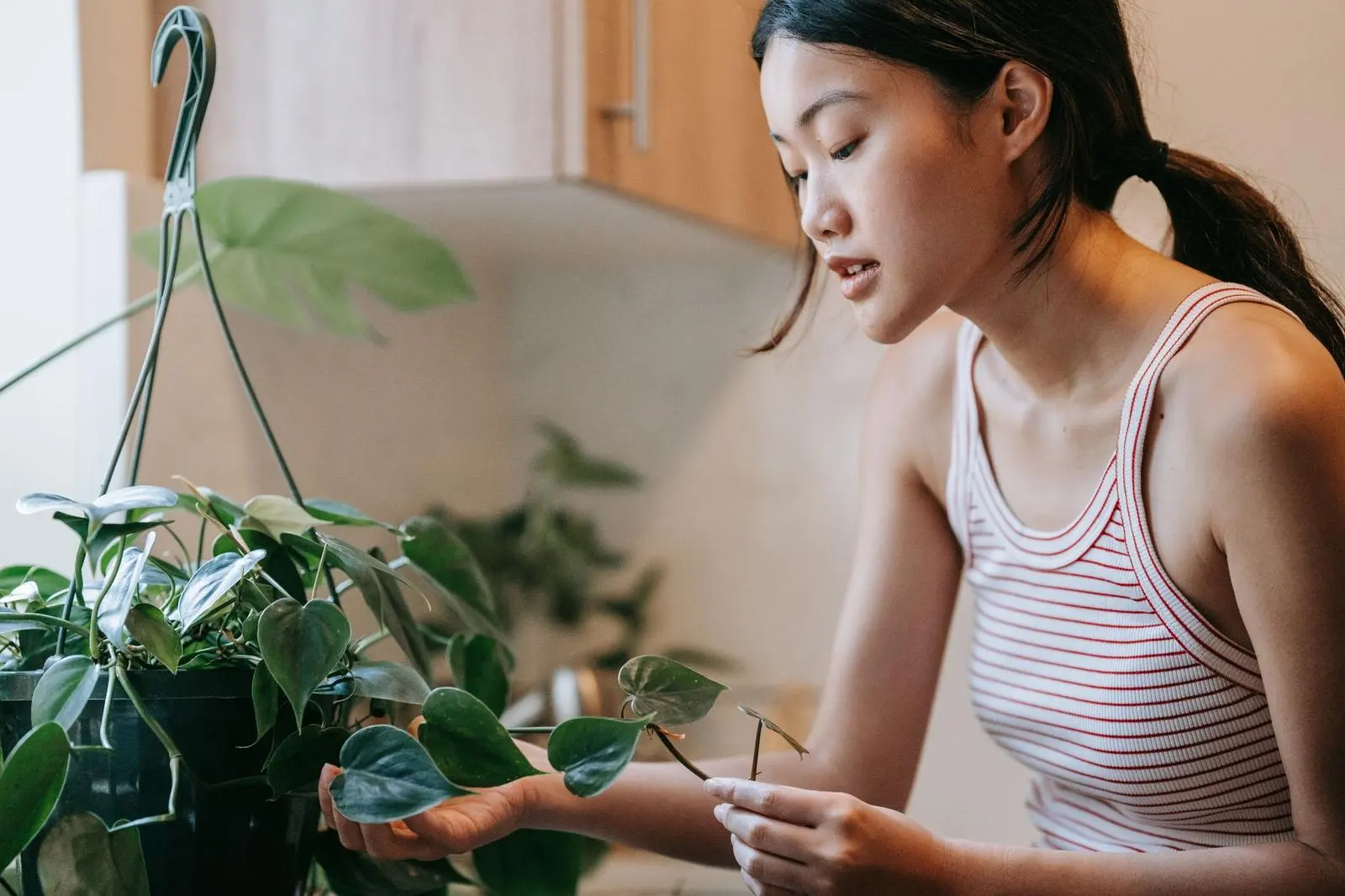
Match the plant to your light
This Old House puts it bluntly: light is the most critical factor for plant health. Walk through your home at different times of day and notice where the sun lands.
A guide from This Old House explains that south-facing windows generally give the most sunlight, while north-facing rooms receive less. Use that as your starting map.
- Dim rooms: ZZ plants do exceptionally well in low light, according to Iowa State.
- Middling light: Pothos grows in low to moderate light, while spider plant prefers indirect light.
- Bright spots: Ponytail palm grows best in direct light but will tolerate lower light levels.
Temperature is the easy part. Most houseplants thrive between 60°F-75°F, so ordinary indoor conditions suit them, but keep them away from drafty windows, heating vents and air conditioning units.
How to water without killing your plant
Overwatering is the leading cause of houseplant failure, says This Old House. The same guide adds that it is usually safer to underwater slightly than to overwater.
A simple routine for most of the plants above:
- Pot the plant in a container with drainage holes.
- Check the soil with your finger before you water.
- If the soil is still damp, wait.
- If it is dry, water until the excess drains out of the bottom.
Drainage is not optional. mindbodygreen stresses that a ZZ plant’s pot needs a hole so that water has somewhere to escape.
Your plant will also send signals. This Old House says droopy leaves on pothos point to underwatering and yellow leaves point to overwatering. For a Madagascar dragon tree, it suggests watering every one to two weeks and even less in winter.
Make plant care a calm habit
Beginners often fail because the plant is a poor fit, not because they lack a green thumb. This Old House also says studies show houseplants can help create a calming environment, which is a good reason to keep going.
If a weekly check-in feels hard to keep, the ideas in how to build self discipline can help you turn it into a routine. If you are hoping plants will make home feel calmer, how to reduce stress daily offers other small habits to pair with them.
Pick a fixed day, such as Sunday morning, to touch the soil and look at the leaves. A little steady attention beats a burst of fussing followed by weeks of neglect.
Frequently asked questions
Which plant is best if I forget to water?
Show answer
Go for a ZZ plant. Iowa State describes it as very tolerant of dry conditions and low humidity, so a forgotten week is rarely a disaster.
Are beginner plants safe around pets?
Show answer
Not always. This Old House flags both Chinese evergreen and Madagascar dragon tree as toxic to cats and dogs if ingested, so read each plant’s pet notes before you buy.
Can I grow anything in a north-facing room?
Show answer
Yes, but choose shade-tolerant plants. This Old House pairs low light with shade-tolerant plants, and Iowa State notes the cast iron plant is nicknamed the barroom plant because it can live in a bar.
How can I get more plants without spending much?
Show answer
Propagate what you already own. Spider plants make plantlets that root easily, and pothos roots quickly from stem cuttings.