
Wondering how to practice gratitude daily when life is busy? Write down a few specific good things, name the people behind them, and do it at the same time each day. Keep it regular, not perfect.
This habit is one piece of a bigger toolkit, and the personal growth tips hub shows how it fits with the others.
| Key fact | Value |
|---|---|
| Suggested time per session | 15 minutes per day |
| Suggested minimum frequency | At least three times per week |
| Suggested minimum length of practice | At least two weeks |
| Items per journal entry | Up to five things |
| Length of the weekly-journal study | 10 weeks |
These figures come from the Greater Good in Action gratitude journal guide at UC Berkeley. Guidance and research findings can change, so check the source before you rely on them.
What daily gratitude can do for you
Researchers have tested simple gratitude exercises, and the results are encouraging. In an experimental comparison summarized by the Emmons lab at UC Davis, people who kept weekly gratitude journals exercised more regularly, reported fewer physical symptoms, and felt more optimistic about the upcoming week than people who recorded hassles or neutral events.
The same summary on the Emmons lab site reports that participants who kept gratitude lists were more likely to have made progress toward important personal goals over a two-month period. The goals covered academic, interpersonal and health-based areas.
A daily exercise with young adults raised reported alertness, enthusiasm, determination, attentiveness and energy compared with a focus on hassles, according to the same Emmons summary. Unpleasant emotions did not differ between the groups, so think of gratitude as a way to build up positive states, not a way to erase hard ones.
The Emmons lab summary also describes a 21-day gratitude intervention in adults with neuromuscular disease. Compared with a control group, they reported better sleep duration and sleep quality, plus a greater sense of feeling connected to others.
How to practice gratitude daily: a simple routine
The Greater Good in Action guide suggests 15 minutes per day, at least three times per week, for at least two weeks. Aim for every day, and treat that range as the floor.
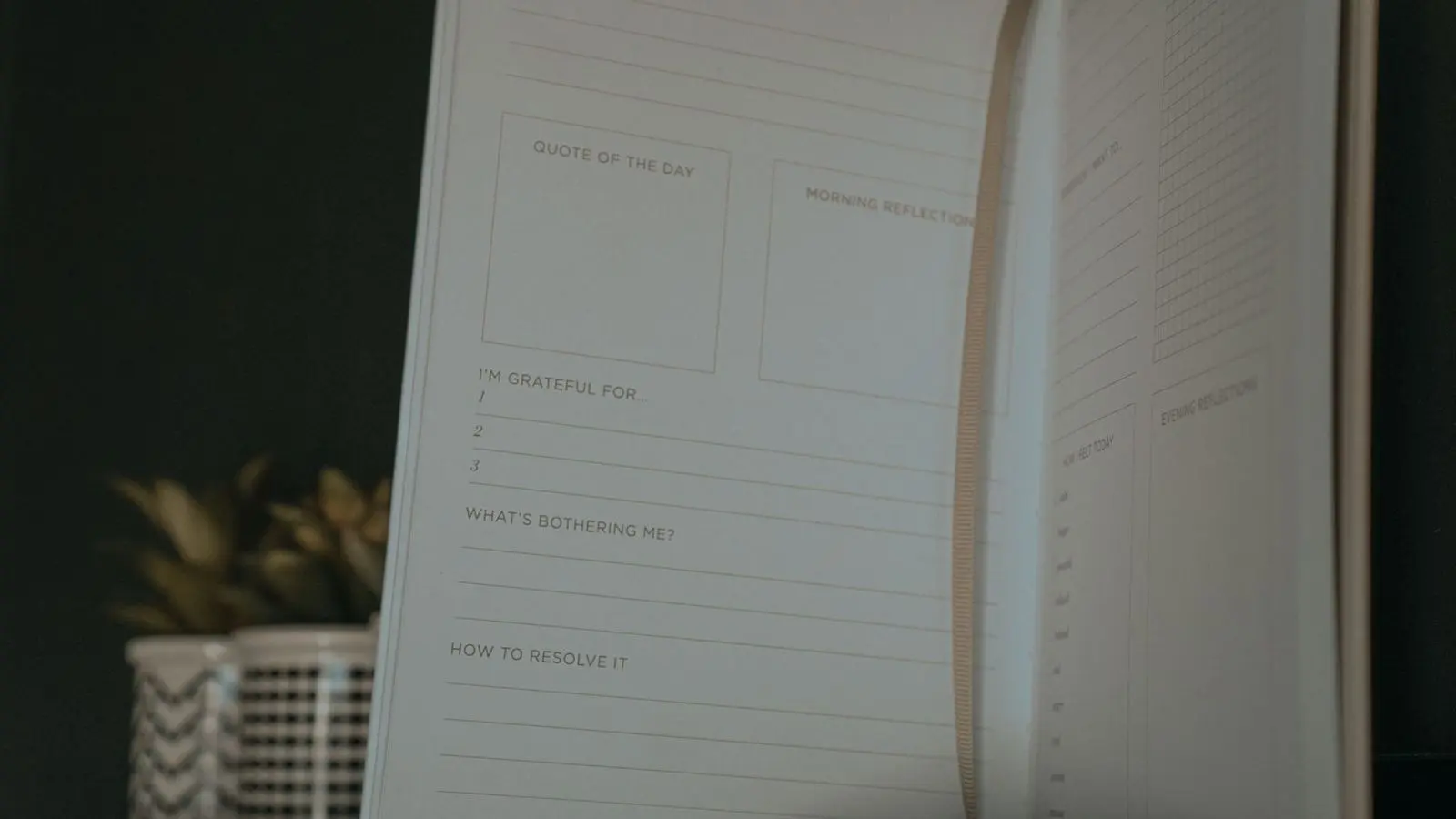
- Pick a physical record. A notebook, a notes app or a document all work, but don’t just do the exercise in your head.
- Choose a regular time. Attach it to something you already do, such as your morning coffee or the end of your workday, and honor that commitment.
- Write up to five things. The guide says they can be small, like a tasty lunch, or large, like a family milestone.
- Add the detail. Note who was involved and why it mattered to you.
- Pause and enjoy it. The goal is to remember a good event, person or thing, then enjoy the good emotions that come with it.
Writing matters more than it seems. According to the Berkeley guide, translating thoughts into concrete language makes us more aware of them and deepens their emotional impact.
Tips that make each entry land
A list of generic thanks gets stale fast. These tips from the Greater Good in Action guide keep entries fresh:
- Be specific. “My coworkers brought me soup when I was sick on Tuesday” beats “I’m grateful for my coworkers.”
- Go for depth. Detail about one person or thing carries more benefit than a surface-level list of many things.
- Get personal. Focusing on people you are grateful to has more impact than focusing on things.
- Try subtraction. Consider what your life would be like without certain people or things, instead of only tallying the good.
- See good things as gifts. That framing helps you avoid taking them for granted.
- Savor surprises. Unexpected events tend to bring up stronger feelings of gratitude.
- Aim for variety. You can revisit the same people, but focus on different details each time.
Beyond the notebook: gratitude with other people
Gratitude does not have to stay on the page. The Emmons lab summary notes that people in the daily gratitude condition were more likely to report having helped someone with a personal problem or offered emotional support.
That fits the advice to focus on people. Once you have written about someone, consider telling them, in a message or in person, what they did and what it meant to you.
The benefits have also shown up in varied groups. The Berkeley guide lists Turkish university students who improved in college adjustment after three weeks of journaling, and people with arthritis who reported less pain after journaling each week for four weeks. It also says more research is needed on how far the practice extends to other groups and cultures.
What if it feels forced or you miss a day?
Feeling awkward at first is common, and a smaller entry is better than none. Write one detailed line about one person, then stop.
If consistency is your sticking point, the guide on how to build self discipline can help you hold the habit. Missing a day is not a failure, so pick up at your next regular time instead of writing a double entry.
Gratitude also sits well alongside other calming habits, and you can find more of them in our guide on how to reduce stress daily. Pair the two if your evenings feel rushed.
Frequently asked questions
Do I have to write every single day?
Show answer
No. The Berkeley guide says to commit to a regular time, whether that is daily or every other day, and then keep that promise to yourself. Pick a rhythm you can actually repeat.
Can I just think about what I’m grateful for?
Show answer
Thinking is a start, but the guide stresses a written or typed record. Putting it into words is what makes the thought more concrete and more felt.
What if I run out of things to write about?
Show answer
Shift your angle instead of widening your list. Imagine a good person or event missing from your life, or look for a surprise from your day, and describe one new detail.
How long until I notice a difference?
Show answer
Results vary, so no one can promise a timeline. The Berkeley guide describes a study where people wrote daily for two weeks and reported more gratitude, positive moods, optimism and better sleep than those who journaled about hassles.