Spilled something on your favourite shirt? Here is how to remove common stains from clothes: act fast, blot, test on a hidden seam, use the gentlest method first, and keep stained items out of the dryer until the mark is gone.
You can find more practical routines in our home living tips.
| Stain or step | Key fact |
|---|---|
| Unknown stain, first step | Cold-water soak for about 30 minutes |
| Fresh blood | Cold-water soak for 30 minutes |
| Grass, if a mark remains | Alcohol diluted with 2 parts water |
| Older dairy stain | Enzyme presoak for several hours |
| Unknown stain, deeper clean | Soak overnight in a laundry pre-soak |
These figures come from the NMSU Cooperative Extension stain guide and the Mississippi State University Extension post. Guidance can change, so check the sources before you rely on them.
Start with the basics before reaching for a remover
Spots, and the wrong attempts to remove them, are among the most common causes of discarded clothing, according to the NMSU extension guide. A few habits protect both the garment and your wallet.
- Identify the stain. Think about what made it, where it sits on the garment, what it smells like and whether it feels oily, sticky or hard.
- Act quickly. Set-in stains are harder to remove.
- Blot or scrape first. Lift off the excess from the fabric surface before adding anything wet.
- Check the care label and test. Try your method on an inside seam or hem.
- Mark the spot. Baste an “X” near it so you can find it when the fabric is wet.
If the label says dry clean only, use a dry-cleaning agent or ask a dry cleaner for help. Home methods are usually safe for washable fabrics.
How to treat the most common stains
The Mississippi State University Extension lists simple routines for everyday marks. Begin with the gentlest option, and rinse thoroughly between removers if you need more than one.
Drinks and beverages
Soak the garment in cool water, then pretreat with a prewash stain remover or a liquid or powder detergent mixed with water. Wash with a bleach that is safe for the fabric. For older marks, an enzyme product before washing can help.
Grass
Pretreat with a stain stick or soak in an enzyme product. If the mark stays, sponge it with alcohol, and be sure the alcohol is diluted with 2 parts water, as Mississippi State Extension advises. Still visible? Wash in the hottest water the fabric allows, with a fabric-safe bleach.
Grease
Light marks respond to a spray stain remover, liquid laundry detergent or a detergent booster, followed by a wash in the hottest water safe for the fabric. For heavy marks, lay the stain face down on clean paper towels and apply detergent to the back. Let it air dry, swap the towels often, then rinse and wash.
Blood
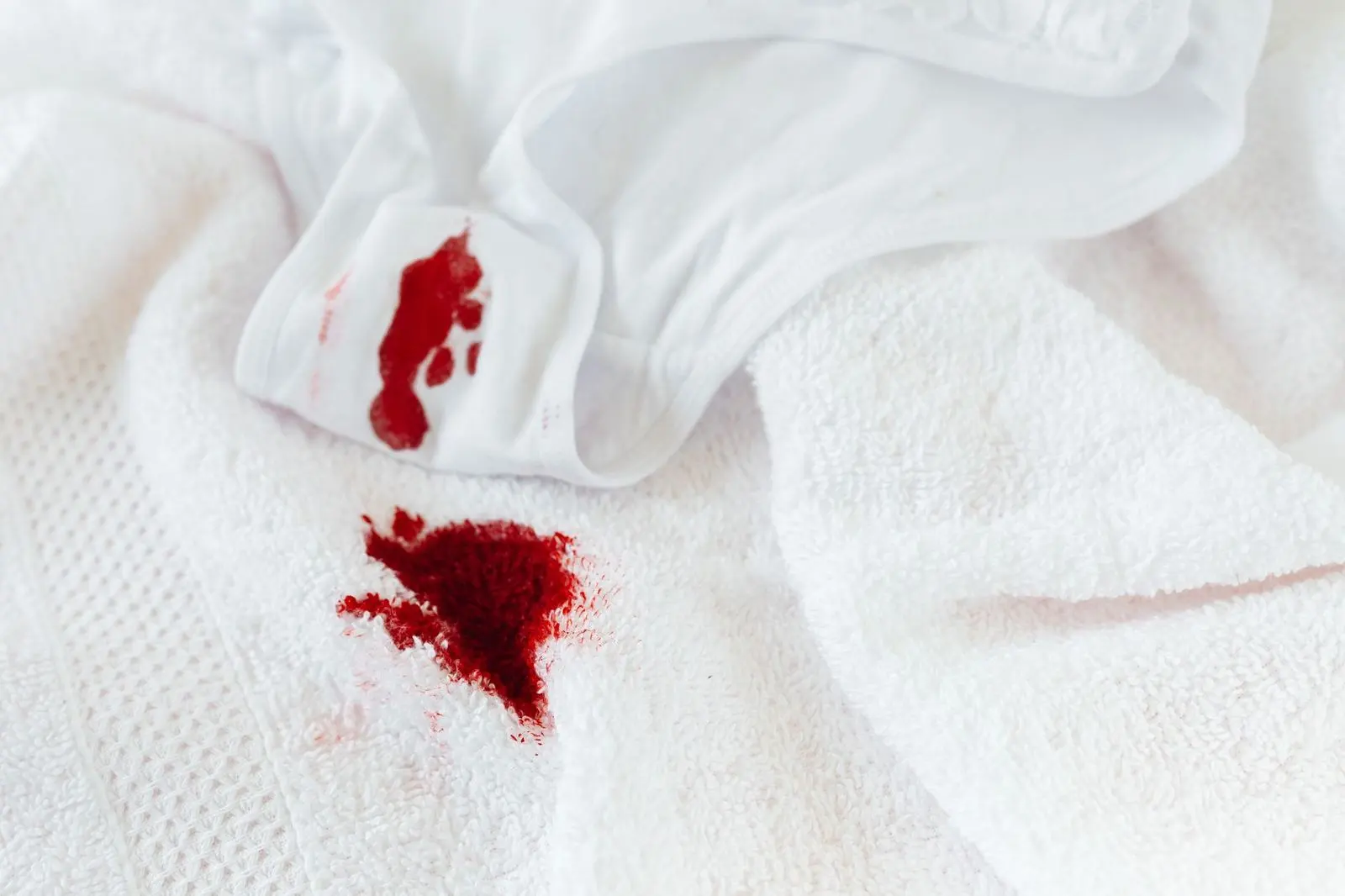
Soak fresh blood in cold water for 30 minutes, rub detergent into what remains, then rinse and wash, as the Mississippi State guide describes. If a shadow is left, rewash with a bleach that suits the fabric.
Dairy products
Use a stain stick or an enzyme presoak. According to Mississippi State Extension, allow 30 minutes for a new stain and several hours for an older one, then wash.
Paint
Water-based paint needs speed: rinse in warm water while it is wet, then wash, because it cannot be removed after it dries. For oil-based paint, use the solvent named on the label as a thinner, or turpentine if none is listed, and handle it with caution. Rinse, pretreat with a prewash remover, bar soap or detergent, then rinse and wash.
What to do when you cannot identify the stain
Do not give up on a mystery mark. The NMSU guide suggests working down a list until the stain disappears.
- Soak in cold water for about 30 minutes (NMSU).
- Work a little liquid laundry detergent, shampoo or dishwashing liquid into the stain, leave it for about 30 minutes (NMSU), then rinse.
- Wash with a bleach that is safe for the fabric, following the care label and the container directions.
- Soak overnight in a laundry pre-soak, which works well on milk, egg, blood and perspiration.
- Wash in the hottest water safe for the fabric: very hot for cotton and linen, hand-hot for synthetics such as nylon, and just warm for woolens.
- For grease that survives washing, let the item dry, sponge with a grease solvent, then air the garment to clear the fumes.
Commercial rust or colour removers and a bleach-and-water mix are harsh. Keep them as a last resort, and test a seam for colourfastness first.
What belongs in a stain removal kit
A small kit saves you from guessing in a panic. The NMSU guide groups supplies by what they do.
- Absorbents: white paper towel or tissue, a soft white cloth, cornstarch or cornmeal, and a sponge.
- Solvents: liquid dishwashing detergent, shampoo, detergent or a dry-cleaning agent.
- Bleaches: lemon juice, hydrogen peroxide, chlorine bleach for white cotton and linen, or all-fabric bleach for colours and permanent press.
- Extras: salt, vinegar, ammonia and a laundry pre-soak powder.
Some of these products are poisonous and dangerous, so lock them away from children. Use them in a well-ventilated room and follow the label for use and storage, as the NMSU guide recommends.
Mistakes that set a stain for good
Most failed rescues come down to a few avoidable slips.
- Using heat too soon. Do not press a stained fabric or put it in the dryer until you are sure the mark has gone.
- Trusting old remedies. Milk on ink is unreliable and may create an extra stain.
- Mixing products. Never combine removers, especially ammonia and chlorine bleach.
- Skipping the test. A remover that works on the stain can still harm the fabric.
Hot washes are often the best fix, so read how to save energy at home if you want to balance clean clothes against your power use. If stained laundry keeps stacking up, how to keep a house clean with a busy schedule offers ways to make quick treatment easier.
Frequently asked questions
Should I use hot water on every stain?
Show answer
No. Blood does better with a cold start, and the care label sets the upper limit for any fabric. Where heat is allowed, choose the warmest setting the garment tolerates.
Can I tumble dry the item to check whether the stain is gone?
Show answer
It is safer to look at the fabric while it is still damp. Heat can lock a stain in, so only use the dryer after the mark has fully disappeared.
Does pouring milk on an ink stain work?
Show answer
Extension specialists at NMSU call this kind of folk remedy unreliable. The milk can leave its own mark or fix the ink in place.
What if the label says dry clean only?
Show answer
Skip the household soaks. Use a dry-cleaning agent made for the job, or hand the garment to a dry cleaner and explain what caused the stain.